
Acupuncture has been practiced for over two thousand years, but modern science has only recently begun to uncover how it works so effectively. Many people are surprised to learn that acupuncture bridges ancient Eastern wisdom and modern medical understanding, offering a complete approach that treats the whole person—body, mind, and spirit.
The Traditional View: Restoring the Flow of Qi
In Traditional Chinese Medicine, health is guided by the smooth flow of vital energy known as Qi (pronounced “chee”). This energy moves through the body along invisible channels called meridians. When Qi becomes blocked or imbalanced—whether from stress, poor sleep, injury, or emotional strain—pain or illness may occur.
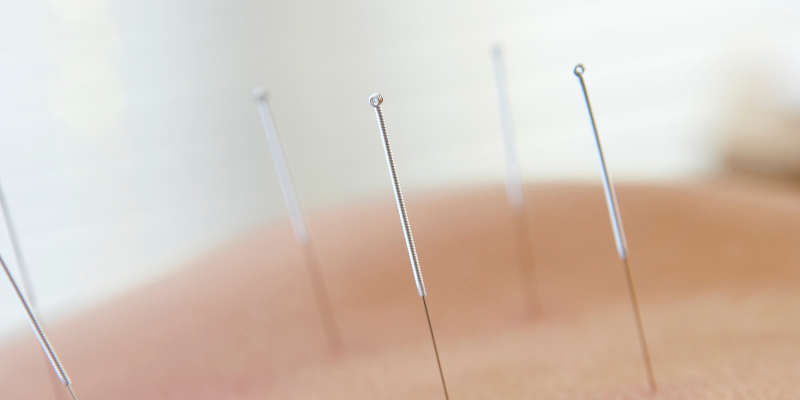
Acupuncture restores balance by gently stimulating precise points along these meridians using hair-thin, sterile needles. When Qi moves freely again, the body’s natural healing systems are activated, promoting harmony, vitality, and overall wellness.
The Modern View: What Happens in the Body
From a scientific standpoint, acupuncture affects the body in several measurable ways:
- Releases endorphins — the body’s natural painkillers that elevate mood and reduce discomfort.
- Improves blood flow — delivering oxygen and nutrients to tissues in need of repair.
- Reduces inflammation — calming overactive immune and pain responses.
- Balances hormones and neurotransmitters — supporting better sleep, mood, and digestion.
These effects explain why acupuncture successfully addresses such a wide range of conditions, from chronic pain and migraines to anxiety, digestive issues, and women’s health concerns.
A Holistic Experience
Unlike many conventional treatments that target symptoms, acupuncture treats the root cause of imbalance. Before your session, your acupuncturist performs a thorough intake, including tongue and pulse evaluation, to identify internal patterns. During the session, patients often describe feeling deeply relaxed, warm, or lightly energized—some even fall asleep as the body shifts from “fight or flight” into “rest and repair.”
What Acupuncture Can Help
The World Health Organization recognizes acupuncture as an effective treatment for over 40 conditions, including:
- Neck, back, and shoulder pain
- Migraines and tension headaches
- Digestive issues such as IBS and reflux
- Stress, anxiety, and depression
- Insomnia and fatigue
- Women’s health and fertility support
- Allergies and asthma
Acupuncture can be used alone or alongside conventional medicine as part of an integrative care plan.
Why Acupuncture Belongs in Modern Healthcare
Today, many hospitals and clinics include acupuncture as part of comprehensive care. It’s safe, natural, evidence-based, and provides a restorative approach to health that works with the body—not against it.
If you’ve been seeking a gentle yet powerful way to restore balance, reduce pain, or feel more centered in your daily life, acupuncture may be exactly what your body has been asking for.